 Call | (575) 522-8378
 Text | (575) 619-7050
Sexually transmitted diseases (STDs) are more common than many people realize. National health data shows that millions of Americans are currently living with an STD—and many don’t know it yet. Rates are highest among young adults, especially those who are sexually active with new or multiple partners.
If you’re sexually active, there’s a real chance you could be exposed to an STD even if no one involved has symptoms. The only way to know your status for sure is through testing.
In this blog, we’ll walk through common STD symptoms, which infections are most common, where to find free testing in Las Cruces, and how to reduce your risk moving forward.
What Are the Most Common STD Symptoms?
There are various types of sexually transmitted diseases that commonly affect young adults. While some are easily treated when diagnosed early, others may lead to long-term health issues if not treated quickly.
That’s why regular testing is recommended if you:
- Have a new sexual partner
- Know your partner has had other partners
- Are sexually active and unsure of your status
Even without symptoms, untreated STDs can still affect your health.
Common STD Symptoms in Women
- Unusual vaginal discharge (change in color, smell, or amount)
- Burning or pain during urination
- Pain during sex
- Lower abdominal or pelvic pain
- Ongoing itching or irritation
- Sores, bumps, blisters, or warts
- Bleeding after sex (not related to a period)
Common STD Symptoms in Men
- Discharge from the penis
- Pain or swelling in the testicles
- Burning or pain during urination
- Itching or irritation in or around the urethra
- Sores, bumps, blisters, or warts
Some STDs can also cause flu-like symptoms, rectal discomfort, or pain during bowel movements in both men and women.
If you’re experiencing symptoms—or have had a recent exposure—getting tested promptly is important.
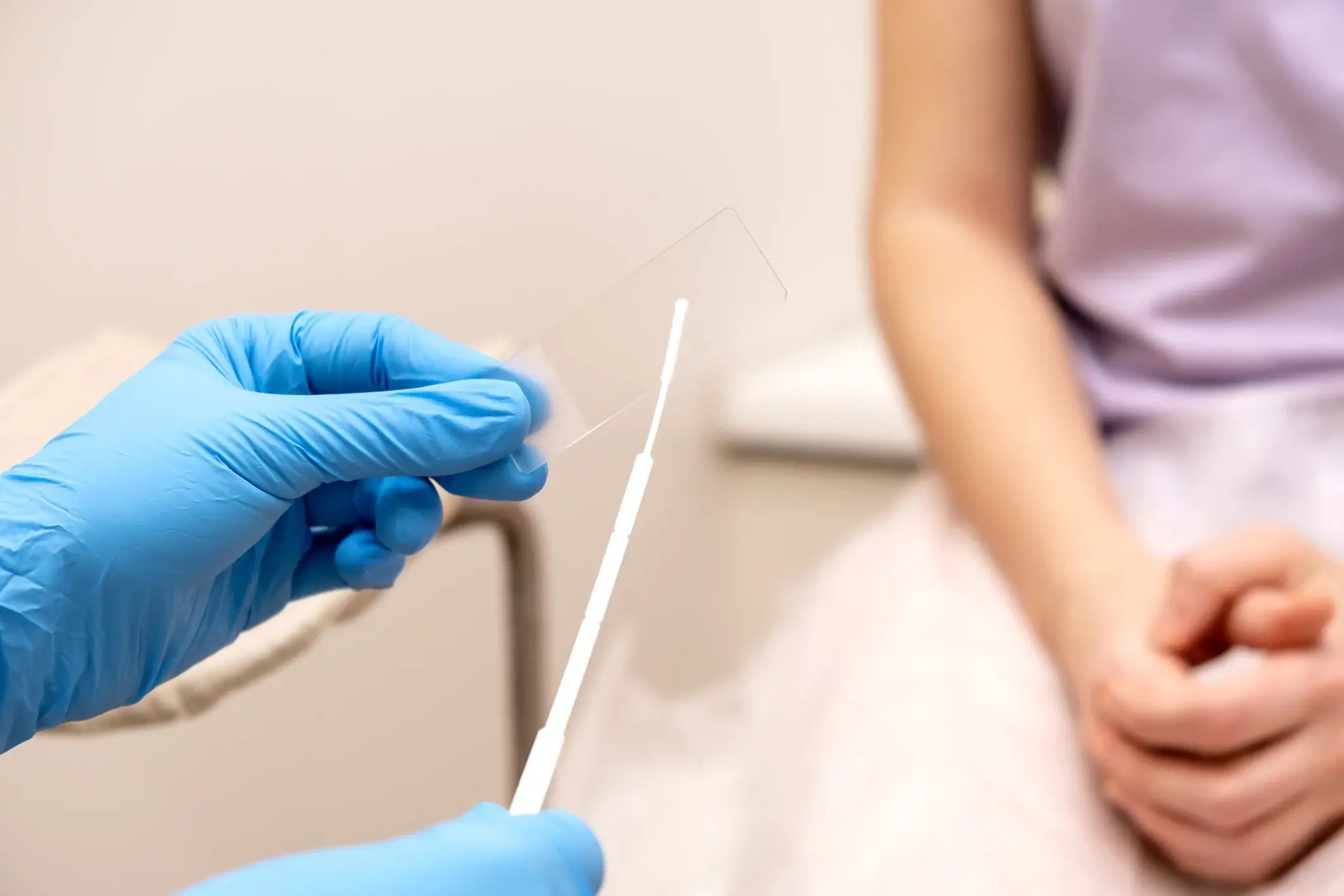
What Types of STDs Could I Be Carrying?
There are many sexually transmitted infections, but a couple are especially common among young adults. Some are easily treated when caught early, while others can lead to long-term health issues if ignored.
Chlamydia
- Often has no symptoms
- Can cause burning during urination or abnormal discharge
- Untreated infections can lead to pelvic inflammatory disease (PID) and fertility issues
Gonorrhea
- May cause burning during urination or thick discharge
- Can affect the genitals, throat, or rectum
- Untreated infections can lead to infertility or spread through the bloodstream
Because both infections are frequently symptom-free, testing is the most reliable way to protect your health.
Free STD Testing in Las Cruces, New Mexico
If you’re looking for no-cost, confidential STD testing, High Desert Women’s Center provides testing for qualified female clients at no charge.
We currently offer testing and treatment for:
- Chlamydia
- Gonorrhea
Services are provided without insurance, and your results remain private. Positive results are required by law to be confidentially reported to the NM Department of Health for public health purposes but your results are not shared with anyone else without your written permission.
To get tested, visit our STD Testing page and request an appointment. Testing is done in a safe, respectful environment where questions are always welcome.
If you’re concerned about an infection we don’t test for, our team can help connect you with trusted local medical providers for further care.
STD Prevention Best Practices
The only way to completely eliminate the risk of STDs is to abstain from sexual activity.
Outside of abstinence, the lowest-risk sexual relationship is a mutually faithful, monogamous relationship where both partners have been tested and are free of STDs. When both partners are exclusive and informed about their health, the risk of infection is significantly reduced.
Regular testing, honest communication, and informed choices all play an important role in protecting your health.